Trenchless Sewer Line Repair: Less Digging, Faster Results
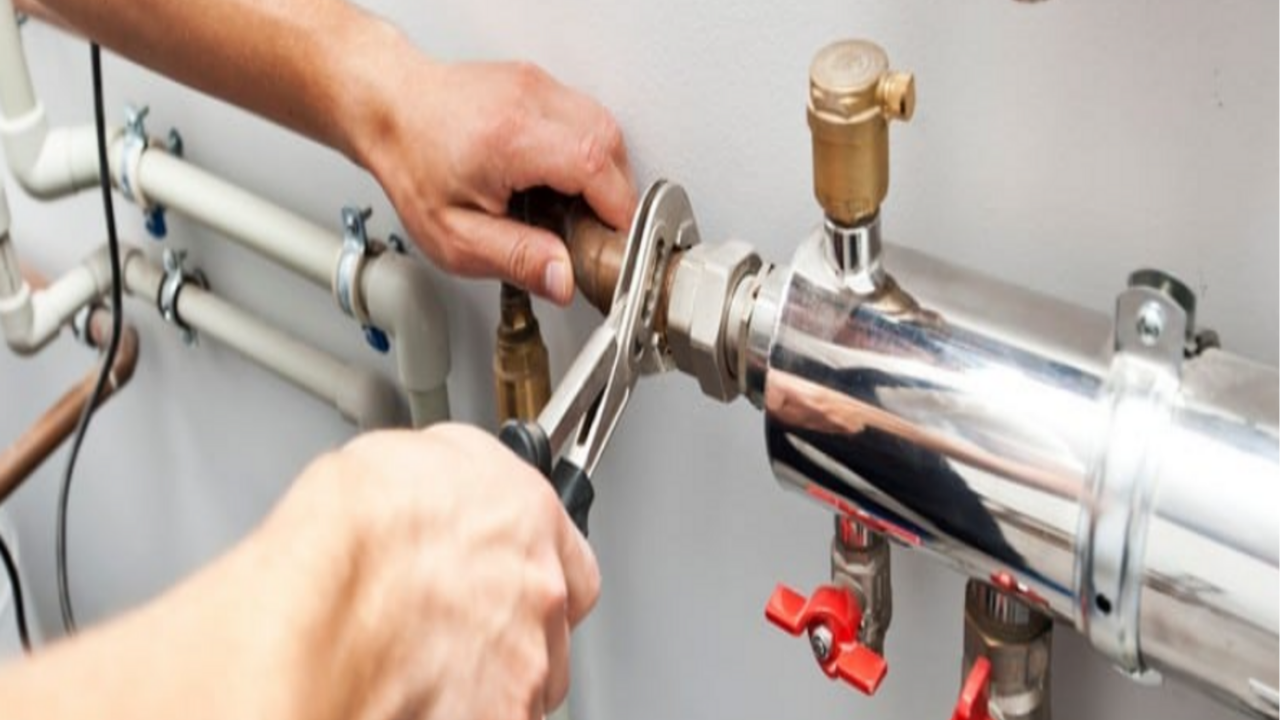
When homeowners hear sewer line repair, they often picture torn-up lawns, broken concrete, and days of mess. That fear is fair—but it’s also outdated. Today, many sewer problems can be fixed with trenchless sewer line repair, a faster and far less disruptive option.
At ASAP Plumbing Repairs, sewer drain line issues are handled with one goal in mind: fix the real problem while keeping disruption to a minimum. Knowing how trenchless sewer repair works helps homeowners make smarter, stress-free decisions.
What Is Trenchless Sewer Line Repair?
Trenchless sewer line repair is a modern method that allows damaged sewer lines to be repaired without digging long trenches across your property. Instead of tearing up yards or driveways, plumbers access the problem area with minimal surface impact.
The idea is simple—repair the sewer line, not your landscaping. This approach reflects ASAP Plumbing Repairs’ practical, homeowner-first mindset.
Why Homeowners Choose Trenchless Sewer Line Repair
Less Digging, Less Damage
Traditional sewer drain line repair can involve major excavation. Trenchless sewer repair reduces the need for digging, helping protect lawns, walkways, patios, and nearby structures.
That means fewer repairs after the plumbing work is done—and fewer headaches overall.
Faster Results
With less excavation involved, trenchless sewer line repair is often completed faster than traditional methods. Less digging means quicker access, faster fixes, and less downtime for your home.
ASAP Plumbing Repairs focuses on efficiency without cutting corners, so repairs are done right and done once.
A Practical Option for Many Sewer Problems
Trenchless sewer repair is often recommended when sewer lines are damaged or blocked but don’t require full replacement through extensive excavation. The team at ASAP Plumbing Repairs carefully evaluates the condition of the sewer line before recommending the best solution.
Common Signs You Need Sewer Drain Line Repair
Sewer issues usually send warning signals before turning into major problems. Homeowners often overlook these early signs:
Slow drains throughout the home
Frequent drain clogs
Gurgling sounds from toilets or sinks
Persistent sewer odors
Water backing up into tubs, sinks, or floor drains
If these symptoms sound familiar, professional sewer and drain line repair can prevent bigger damage down the line.
For deeper insight, this related guide is helpful:
Early Warning Signs You Should Never Ignore for Sewer & Drain Line Repair
How ASAP Plumbing Repairs Handles Sewer Line Issues
ASAP Plumbing Repairs takes a diagnostic-first approach. The team identifies the root cause of the sewer problem before recommending trenchless or traditional repair options.
In addition to sewer drain line services, they also provide:
This full-service approach means plumbing issues are handled holistically, not in isolation.
Homeowners can also explore related resources to understand how plumbing problems connect:
Emergency Plumber Near Me: What to Do Before ASAP Plumbing Repairs Arrives
Water Line Repair vs. Replacement: How to Choose the Right Fix for Your Home
Hidden Signs You Need Water Line Repair Most Homeowners Miss
When to Call a Local Sewer Line Expert
If multiple drains are acting up or sewer odors keep coming back, it’s time to stop guessing. Sewer problems rarely fix themselves, and delays often lead to backups, water damage, and higher repair costs.
ASAP Plumbing Repairs serves homeowners across multiple service areas—view their coverage on the locations page. You can also learn more about their experience and approach on the about page.
Final Thoughts
Trenchless sewer line repair offers a cleaner, faster, and less invasive way to fix serious sewer problems. When conditions allow, it’s often the smart move for homeowners who want results without the mess.
If you’re dealing with slow drains, backups, or sewer smells, reach out to ASAP Plumbing Repairs. Professional sewer drain line repair helps protect your property, restore proper flow, and keep your plumbing system running smoothly.