Sump Pump Failure 101: How to Prevent Basement Flooding
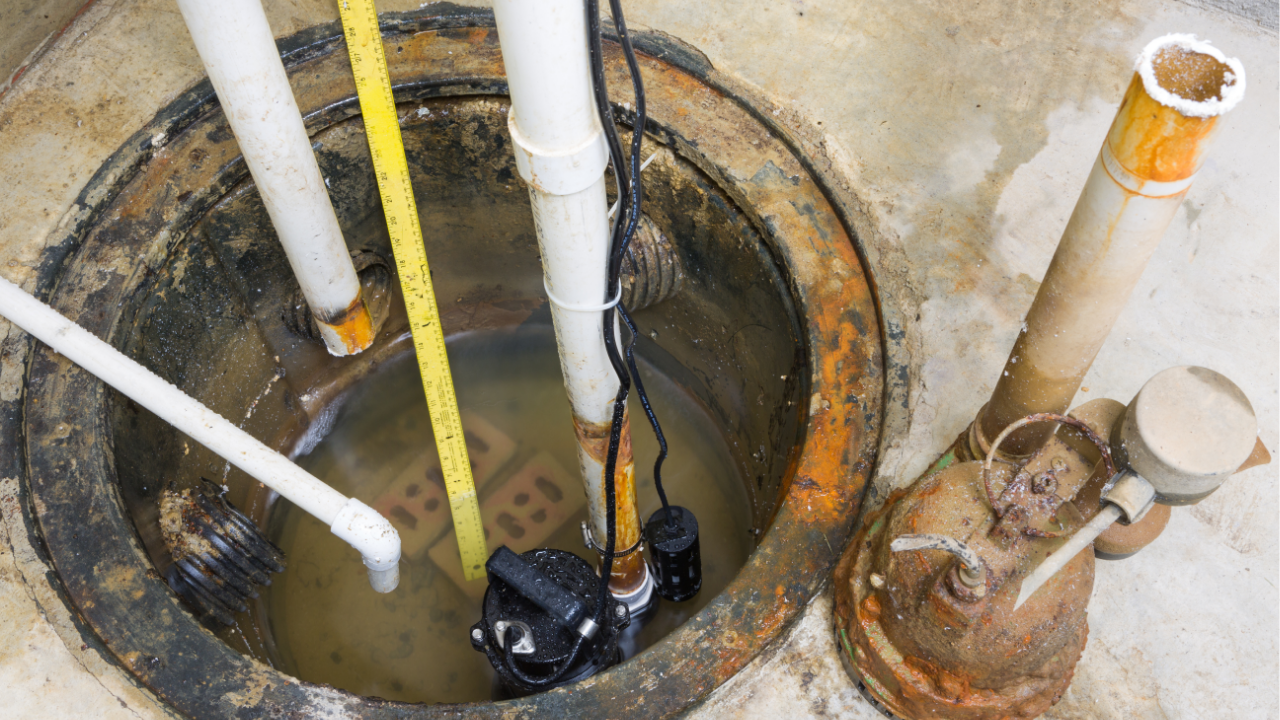
A working sump pump is a homeowner’s first line of defense against basement flooding. When it fails, even a minor rainstorm or rising groundwater can cause major water damage. Understanding how to prevent sump pump failure—and knowing when to call professionals—can save you from costly repairs and headaches. ASAP Plumbing Repairs provides local expertise in ejector and sump pump service or replacement, helping homeowners keep their basements dry and protected.
Why Sump Pumps Fail
Sump pumps are designed to keep water away from your basement, but like any mechanical system, they require maintenance. Failure can happen gradually or suddenly, and the consequences are almost always messy. Common reasons for sump pump failure include:
Power Issues
A sump pump without power is useless. Outages, tripped breakers, or disconnected units are common culprits. Even a functional pump can fail if it’s not receiving consistent electricity.
Mechanical Wear and Tear
Over time, sump pump motors, floats, and valves wear down. This can prevent the pump from activating or reduce its efficiency when water levels rise.
Clogs and Debris
Sump pumps draw water through a basin, and debris like dirt, gravel, or small objects can clog the system. A blocked pump can’t move water effectively, putting your basement at risk.
Signs Your Sump Pump Needs Attention
Strange Noises or Irregular Operation
Grinding, rattling, or frequent on-and-off cycles can indicate mechanical problems. ASAP Plumbing Repairs can inspect the pump, identify the issue, and restore proper function.
Water Accumulation in the Basement
Even small puddles or damp areas near the sump pit can signal that your pump isn’t keeping up. Early detection prevents more serious flooding and water damage.
Age of the Pump
Most sump pumps last around 7–10 years. If your pump is older and showing signs of wear, it may be time to consider replacement to avoid unexpected failure.
Preventing Basement Flooding
Maintaining your sump pump is key to preventing water damage. Homeowners can take these proactive steps:
Regular Inspection and Testing
Check the pump monthly to ensure it turns on and off properly. Lift the float to test activation and ensure water is being discharged.
Keep the Pit Clean
Remove debris, gravel, or sediment from the sump pit to prevent clogs and maintain proper water flow.
Backup Power Solutions
Consider a battery backup or generator system to keep your pump running during power outages.
Professional Maintenance
Regular service from ASAP Plumbing Repairs ensures that the pump, motor, and valves are functioning correctly. Their team provides reliable sump pump repair and replacement, helping homeowners prevent flooding before it happens.
For related home plumbing protection, check out our posts on water line repair vs replacement and sewer drain line early warning signs.
Why Professional Sump Pump Service Matters
While DIY maintenance can catch minor issues, professional service ensures:
Correct diagnosis of mechanical problems
Safe and effective repair or replacement
Peace of mind that your basement is protected
ASAP Plumbing Repairs also integrates sump pump service with other home plumbing solutions, including water line repair, sewer drain line repair, and faucet or fixture repair, making it easy to address all plumbing needs with one local, trusted team.
Final Thoughts
Basement flooding is a homeowner’s nightmare, but most incidents are preventable with a well-maintained sump pump. Power issues, mechanical wear, and debris are common causes of failure, and early detection can save thousands in damage.
If you’re noticing unusual sump pump behavior, dampness, or simply want to ensure your system is ready for storms, contact ASAP Plumbing Repairs for professional ejector and sump pump service or replacement. Protect your basement, safeguard your home, and enjoy peace of mind knowing your plumbing is in expert hands.
For more plumbing guidance, explore our blog on emergency plumbing preparation and slow drains and main sewer line issues.